
American Sign Language
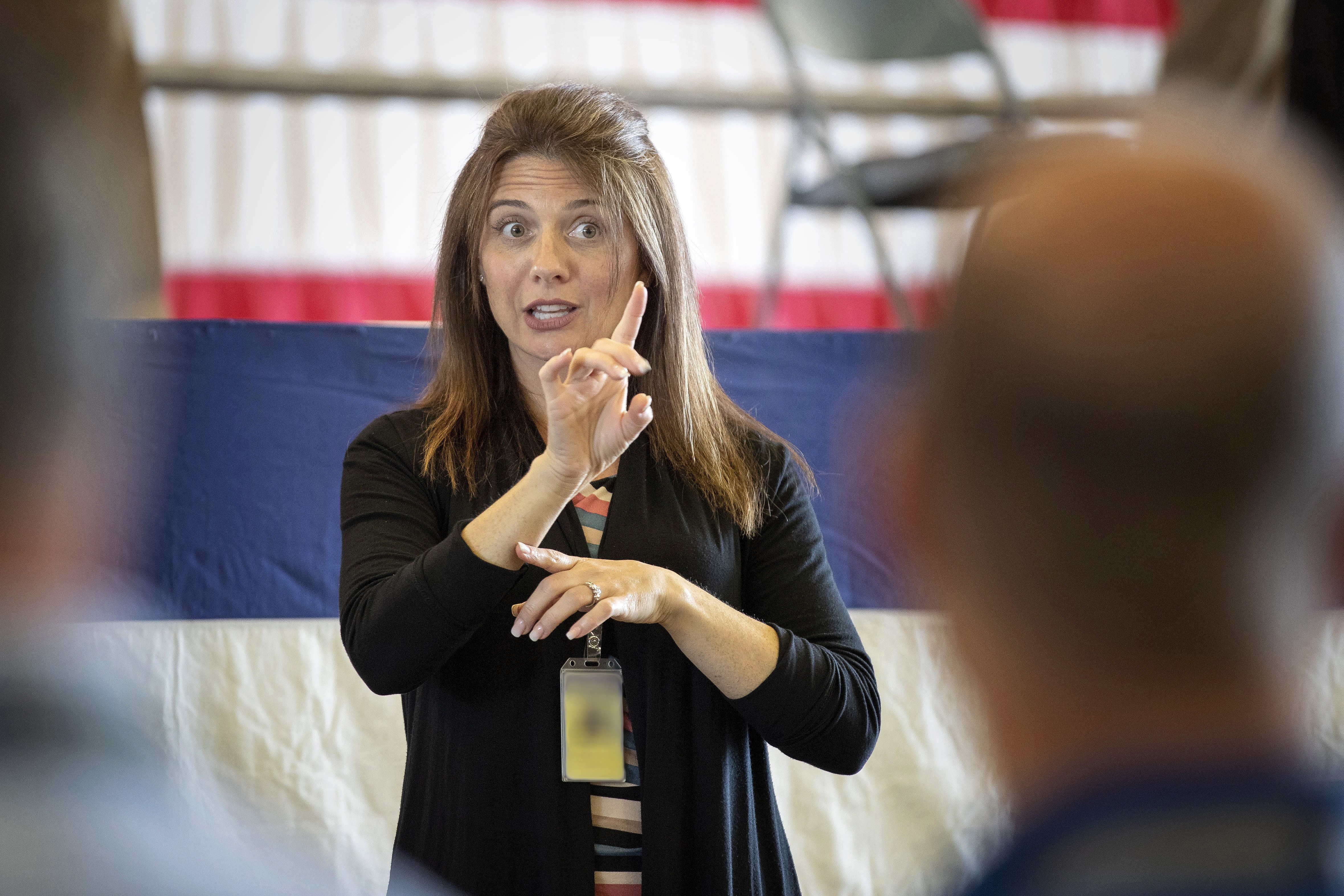
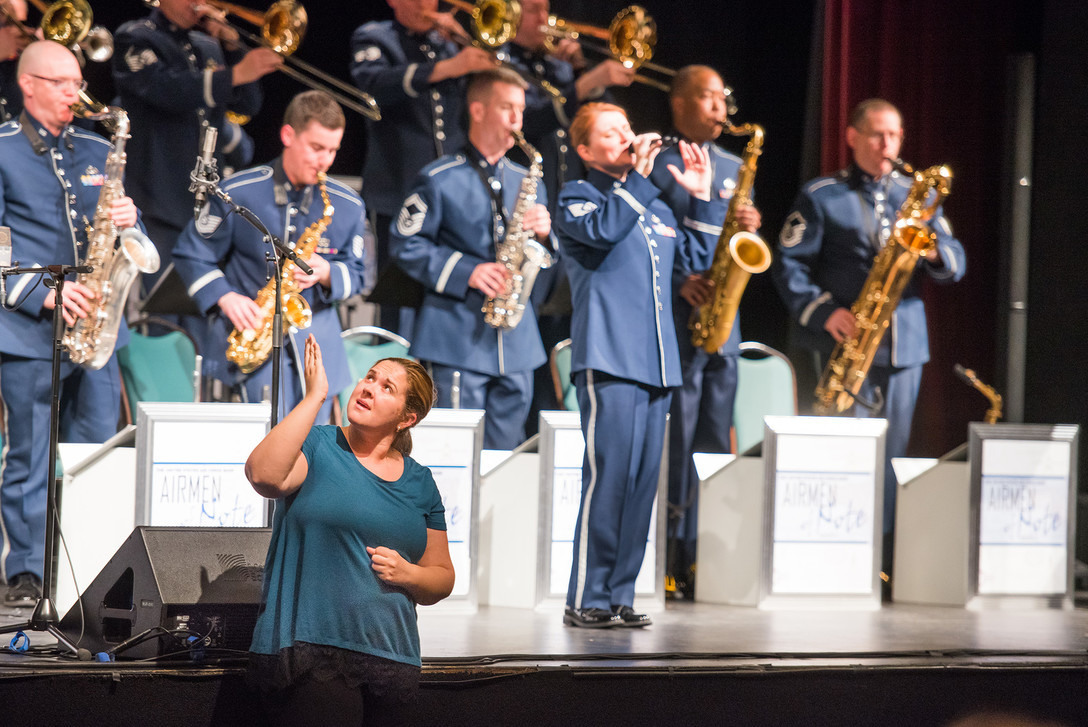
Sign language interpreting makes communication possible between people who are Deaf or hard-of-hearing and people who are not Deaf. Interpreting is a complex process that requires a high degree of linguistic, cognitive and technical skills in both English and American Sign Language (ASL). Sign language interpreting, like spoken language interpreting, involves more than simply replacing a word of spoken English with a signed representation of that English word. ASL has its own grammatical rules, sentence structure and cultural nuances. Interpreters must thoroughly understand the subject matter in which they work so that they are able to convert information from one language, known as the source language, into another, known as the target language.
- Great for classrooms and education
- Business and personal meetings
- Court and Law
- Conventions and Concerts
- Medical visits